The undergraduates of 2024 (Ed Robinson, Tara Goldsworthy, Robin Fryar & Annabel Coekin) and Dr Sam Deeks celebrate their time within the Faul Research Group in July, 2024.
Congratulations, all.
The undergraduates of 2024 (Ed Robinson, Tara Goldsworthy, Robin Fryar & Annabel Coekin) and Dr Sam Deeks celebrate their time within the Faul Research Group in July, 2024.
Congratulations, all.
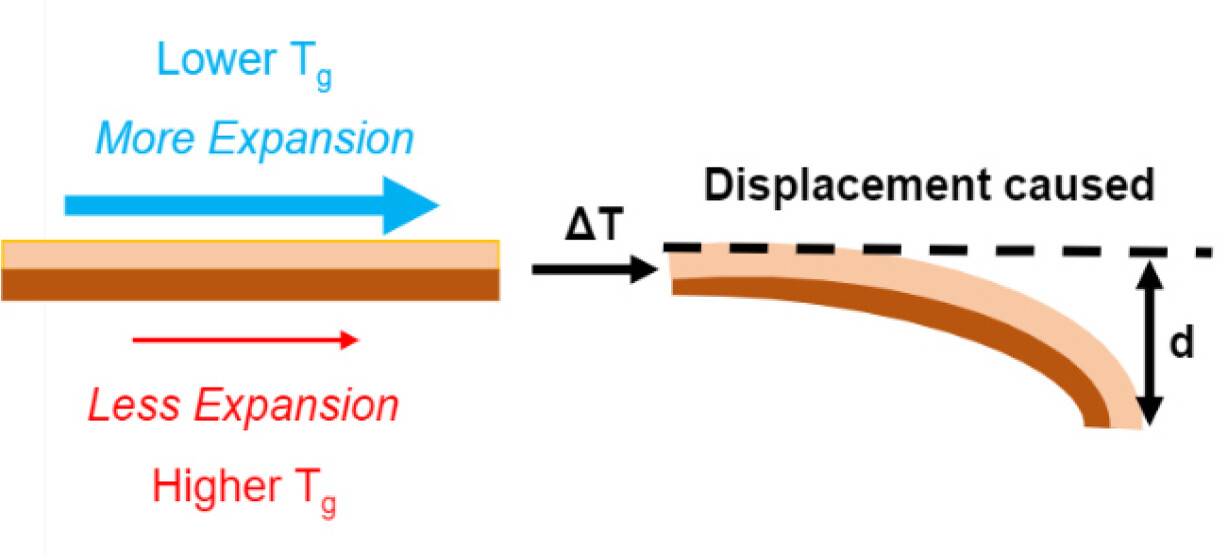
Pleased to announce that Dr. Baker’s article, in collaboration with former MSci student Leo Kershaw and visiting student Ziqui Yang, titled “Towards Implantable Artificial Muscles: Epoxy-Based Bilayer Thermal Actuators with Ambient Activation Temperatures,” is now available in ChemistrySelect.
The development of soft, biocompatible actuators is vital for soft robotics, especially for in vivo applications. This study presents epoxy-based materials for creating thermal actuators with tuneable glass transition temperatures (Tgs). By adjusting polymer compositions, actuators operating at physiological temperatures (36–40 °C) were achieved using both external heating and joule-heated NiChrome-epoxy systems. These actuators maintain safe surface temperatures below 40 °C at low voltages (<2 V). This promising approach could lead to implantable actuators improving the quality of life for the ageing population.
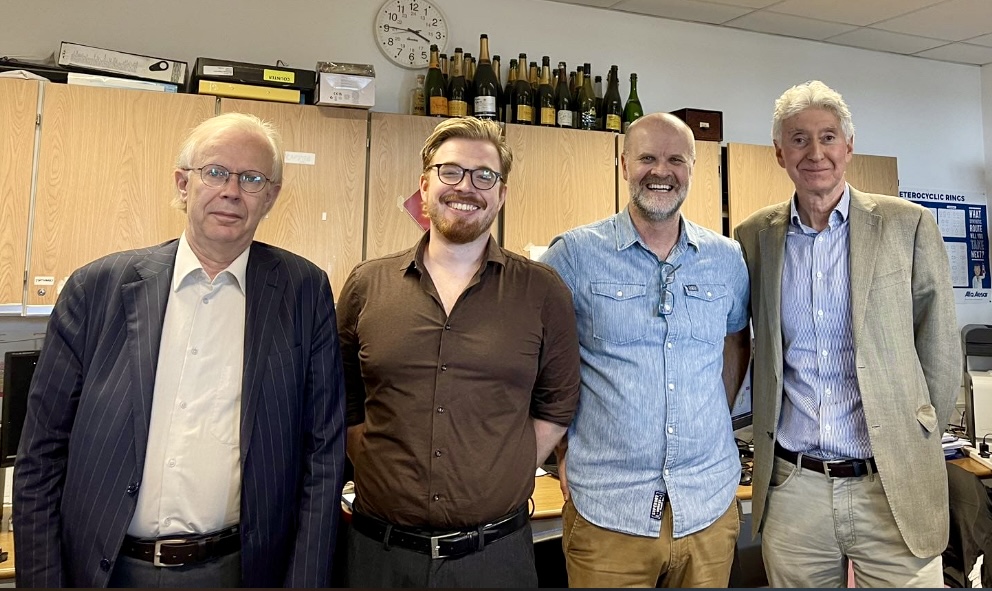
Congratulations to Dr Maximilian Hagemann who passed his PhD viva this afternoon. With thanks to Prof Stephen Mann of Bristol University and Prof Olli Ikkala of Aalto University for their time and expertise in the examination process. Photo below beautifully self-assembled in height order.
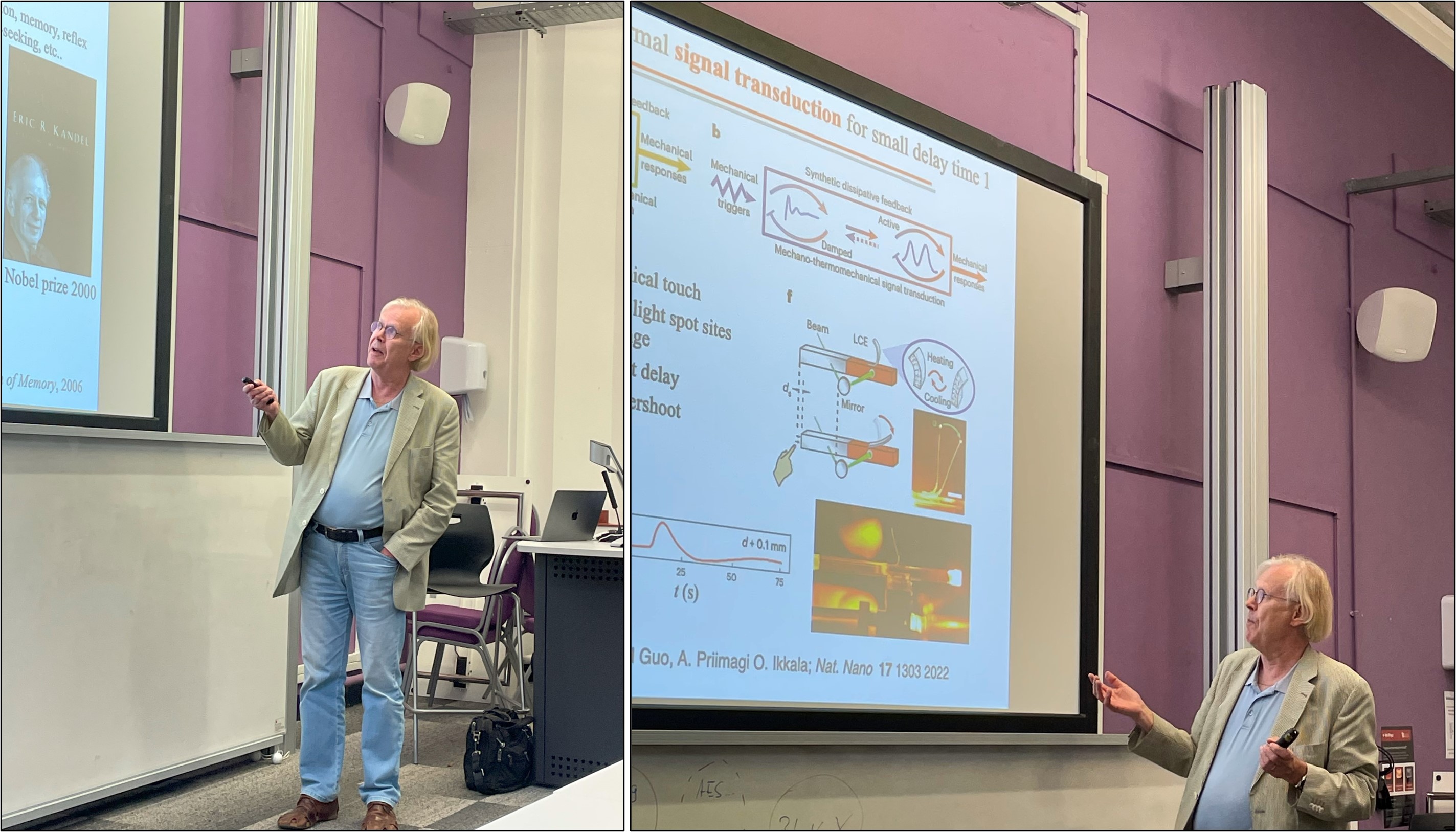
Professor Olli Ikkala is a faculty member in the Department of Applied Physics at Aalto University (previously known as Helsinki University of Technology) in Espoo, near Helsinki. His research focuses on creating functional materials through hierarchical self-assemblies, biomimetics, and natural starting materials. Trained initially in physics, he spent ten years in the chemical industry, primarily working on the development of polymer blends and electrically conducting polymers before returning to academia. The Faul Group hosts him as he visits.
Prof. Ikkala is photographed giving a lecture on life-inspired soft matter dynamics and functionalities below.
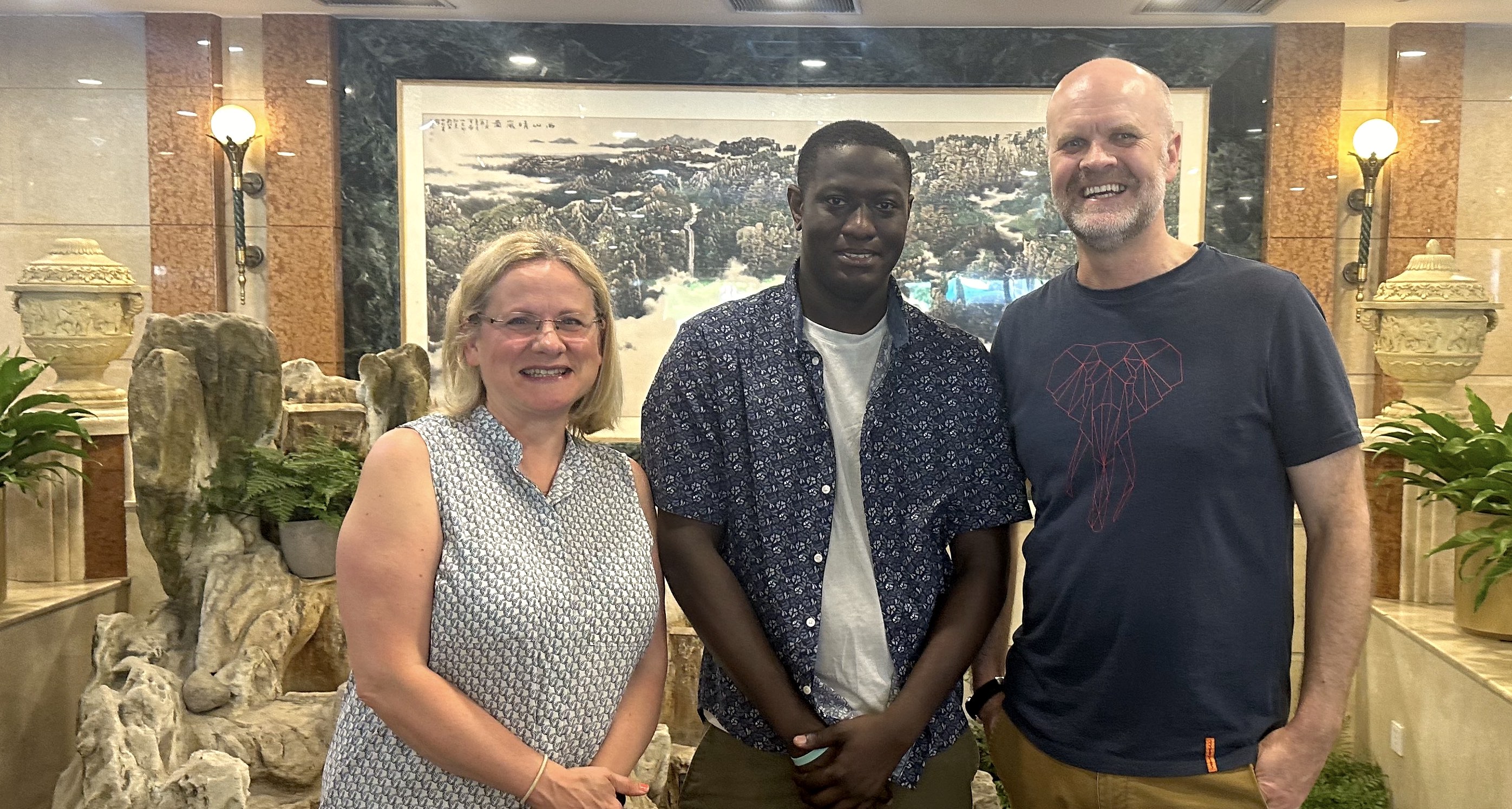
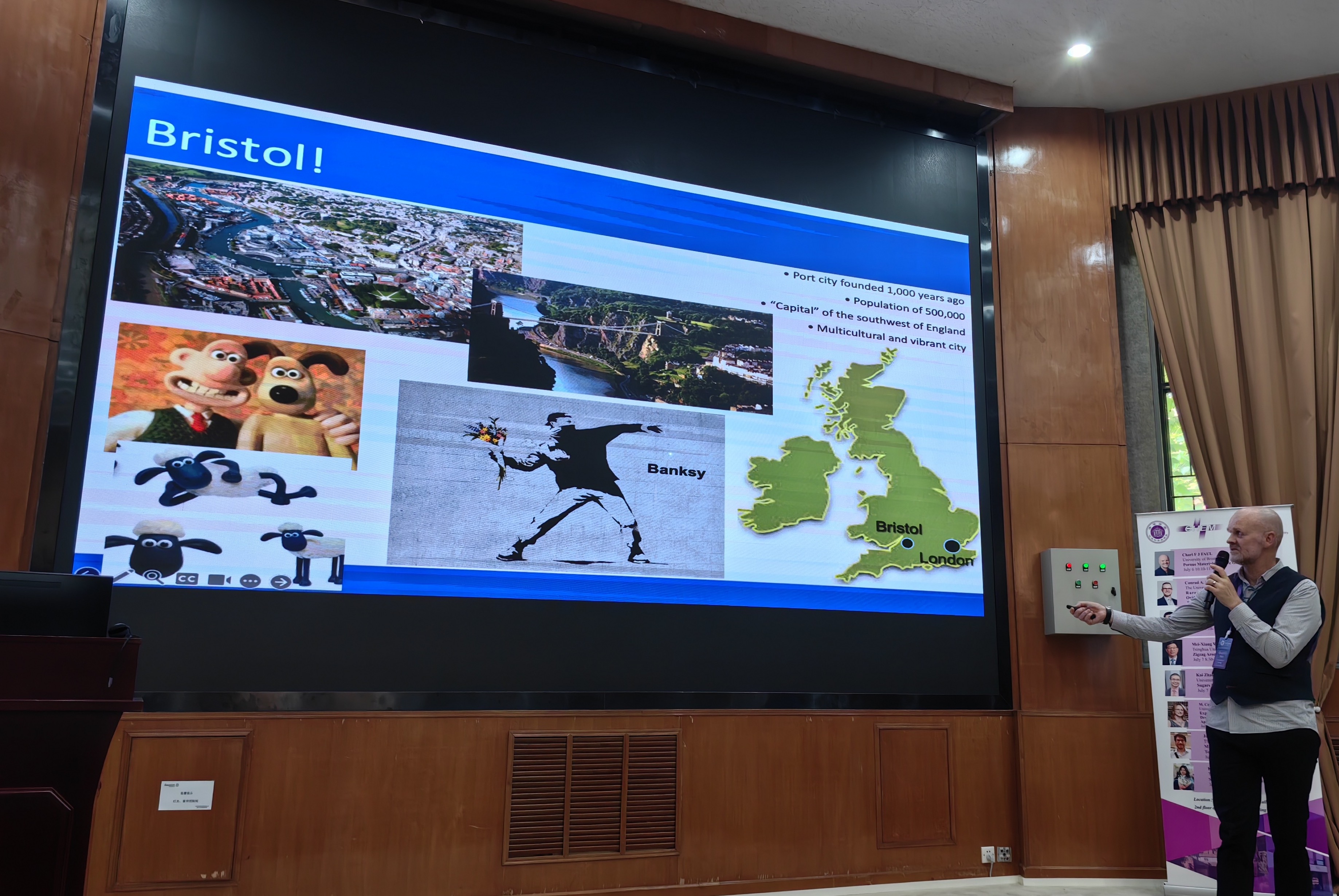
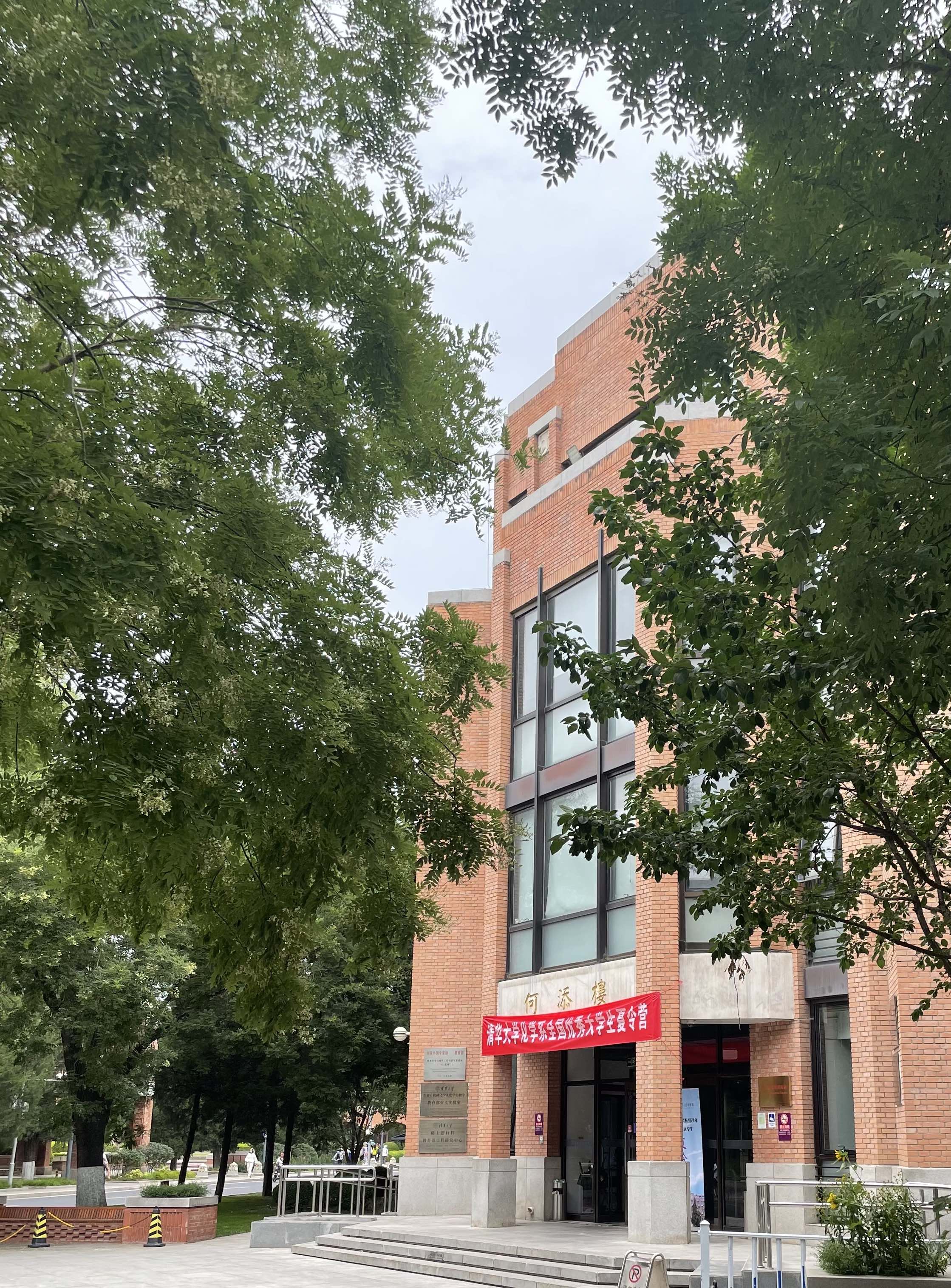
Prof Faul was recently invited to spend some time at Tsinghua University Xuetang International Chemistry Summer School. Charl spent 6 years here as adjunct professor (2013–2019). Group member Jerry Mintah joins for on his first trip to China! M. Carmen Galan from the University of Bristol also joins for interactions and scientific discussions with students from China and across the world.



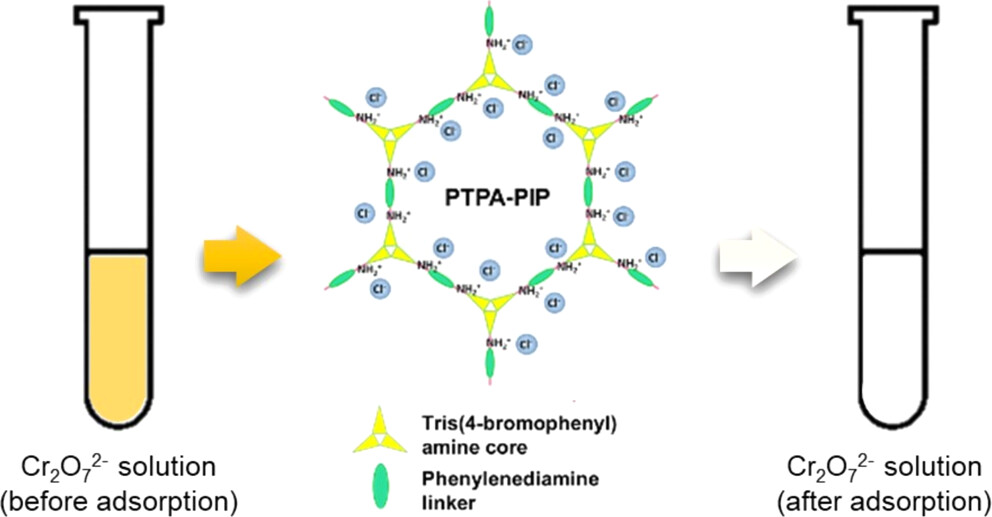
Efficiently treating wastewater contaminated with carcinogenic hexavalent chromium (Cr(VI)) has been a persistent challenge in both academic and industrial research. While ion exchange is recognised for its simplicity and effectiveness, its integration with advanced nanomaterials offers enhanced potential. The cationic porous organic polymer (POP) PTPA–PIP is a novel development poised to aid in industrial wastewater treatment.
PTPA–PIP is synthesised by converting the aromatic polyamine PTPA into its protonated form. This modification significantly increases the polymer’s hydrophilicity, enabling it to disperse uniformly in aqueous environments, which is essential for efficient water treatment applications. PTPA–PIP demonstrates the following:
High exchange capacity: PTPA–PIP exhibits a maximum adsorption capacity of 230 mg Cr2O72– per gram of polymer.
Rapid adsorption kinetics: It achieves an initial adsorption rate of 83 mg g–1 min–1, indicating ultrafast removal of contaminants.
Exceptional Selectivity: The polymer retains approximately 90% of its adsorption capacity even in the presence of a 40-fold concentration of competing anions.
Robust reusability: PTPA–PIP can be reused for at least five cycles without significant loss of performance.
This publication documents a substantial advancement in the field of wastewater treatment with porous polymers, offering a highly effective solution for addressing the challenges associated with Cr(VI) contamination.
The article can be found at the following link.
Congratulations to Maxi on having his first first-authored paper “High-Performance Dopamine-Based Supramolecular Bio-Adhesives” accepted in Macromolecular Rapid Communications!
Sutures are invasive and prone to infection, but a new class of supramolecular-based adhesives offers a better solution. In this study, dopamine-based polymers were synthesized, resulting in highly effective, non-cytotoxic adhesives with mechanical strength superior to commercial bio-adhesives like BioGlue and Tisseel. These adhesives can re-adhere, perform well in aqueous environments, and be safely removed with ethanol, demonstrating significant potential for surgical use.

Open access review article from Marcos and co-authors now available in Soft Science.
This review comprehensively examines topics on the interface of soft robotics and chemistry including the utilisation of chemical power sources, oscillating systems, and chemically driven pneumatic actuation.
This week, the Faul Group is welcoming back Ulia as she returns from her two-month visit to the National Institute for Materials Science, Tsukuba, Ibaraki, Japan. During this collaborative period, her skills concerning in situ measurements for evaluating material performance in carbon dioxide reduction were honed.
Welcome back.

Pleased to announce that Faul Group member Sam Deeks, Prof Faul and Dr Lennox have co-founded Mixterial.
Sam and co-founders have developed an innovative range of conductive composites suitable for use in electrosynthesis, aerospace, sensors, and various other applications. The materials and technology were developed and refined during Deeks’ PhD and proved to be commercially viable.
Funding for market research and viability assessment was made possible with the Innovate UK ICURe EXPLORE initiative – a comprehensive 12-week market exploration program. It offers financial backing of up to £35,000 to cover the Entrepreneurial Lead’s salary, assumption testing, and customer discovery endeavours. Its primary objective is to assist research teams from various regions of the UK in exploring technology applications and validating value propositions through extensive global market engagement.
More information can be found at https://www.mixterial.com/.