Charl was privileged to join the opening of the new Mumbai Enterprise Campus recently! In his role as APVC, Charl was involved in the launch of the new campus – from the start of the project!
Good luck to the first cohort of MEC students!

Charl was privileged to join the opening of the new Mumbai Enterprise Campus recently! In his role as APVC, Charl was involved in the launch of the new campus – from the start of the project!
Good luck to the first cohort of MEC students!
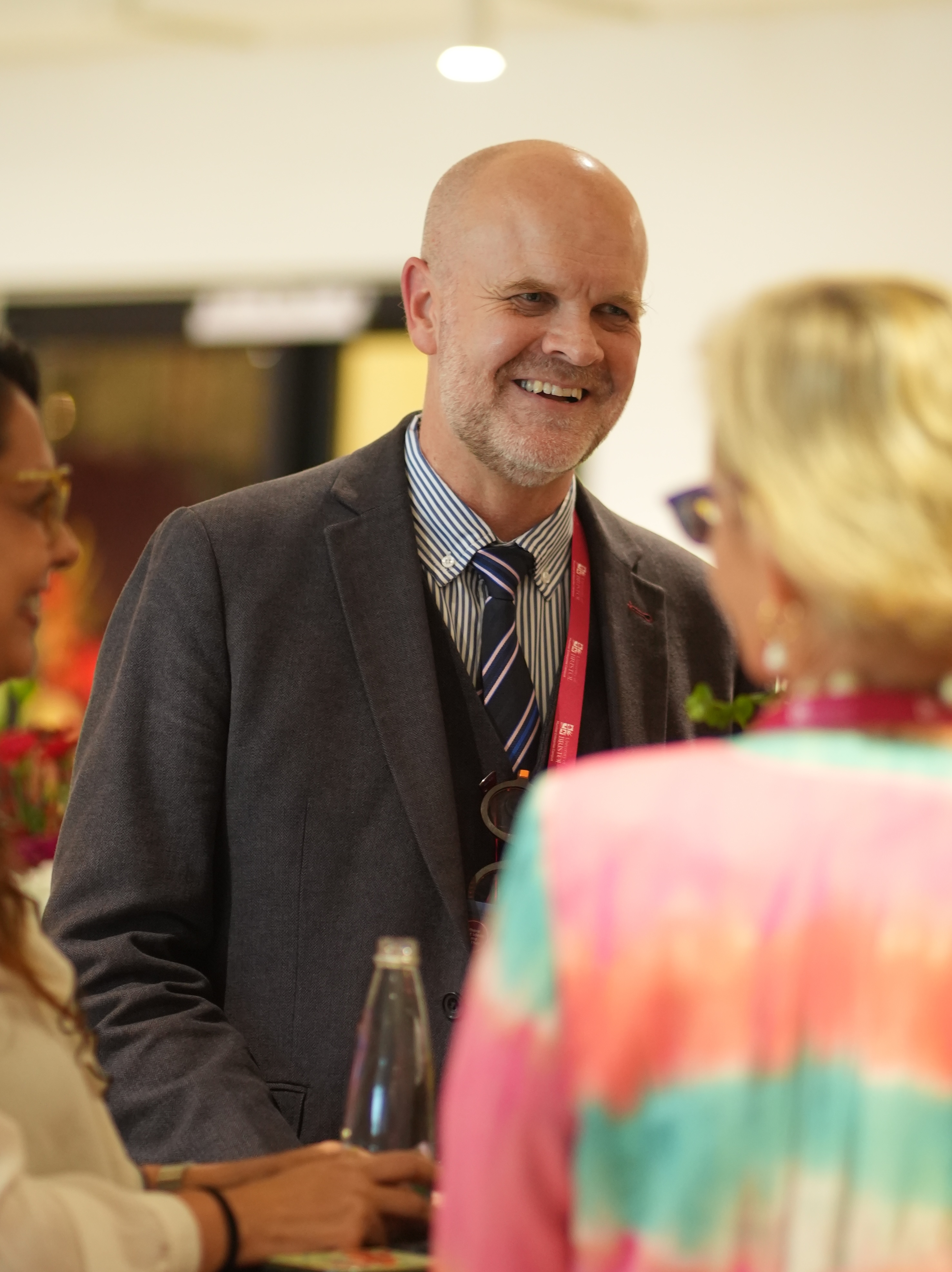
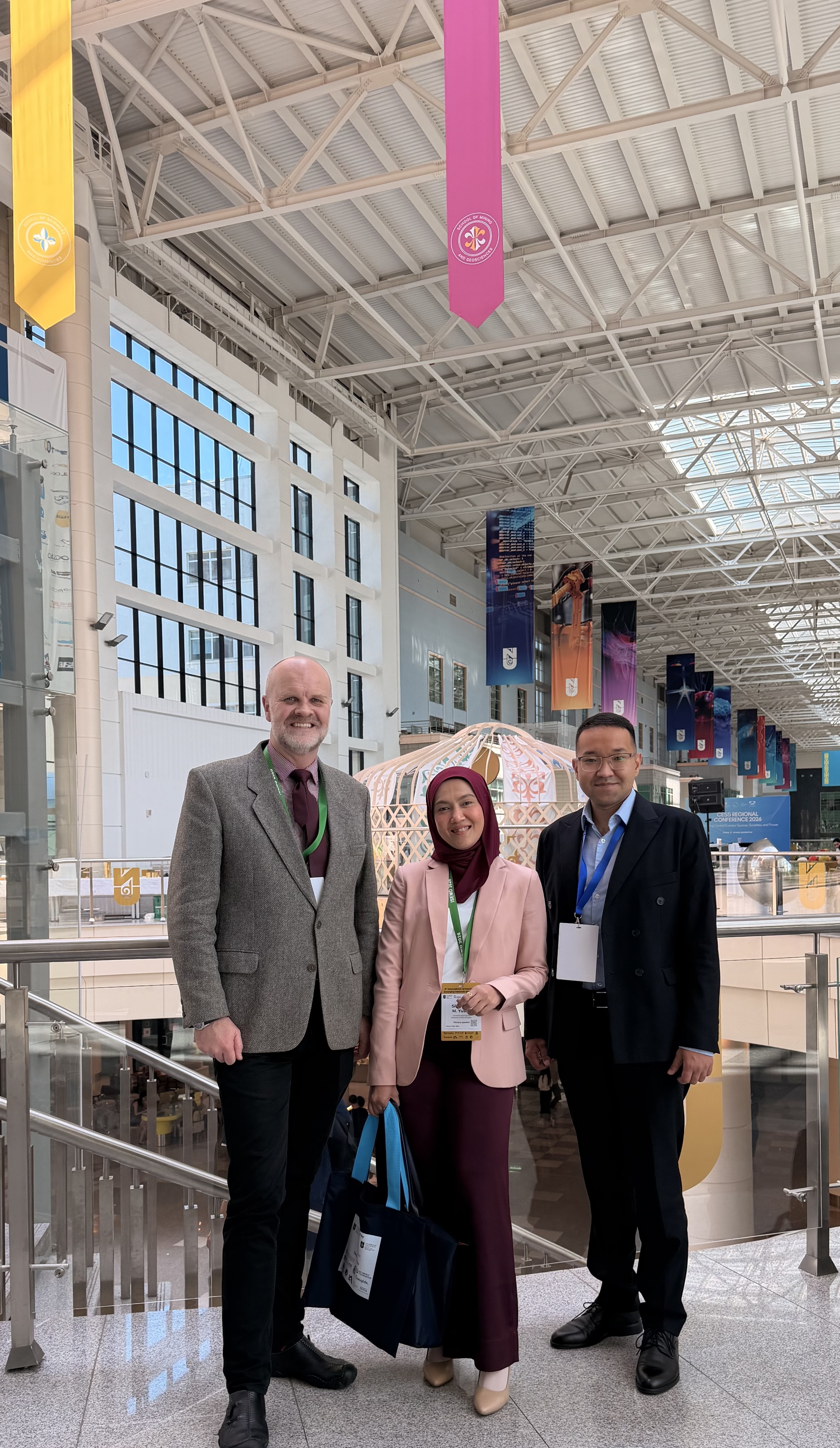
Charl had the pleasure of visiting Kazakhstan for the first time – joining the 5th International Symposium on Emerging Materials and Devices, hosted by the Renewable Energy Lab at National Laboratory Astana, Nazarbayev University.
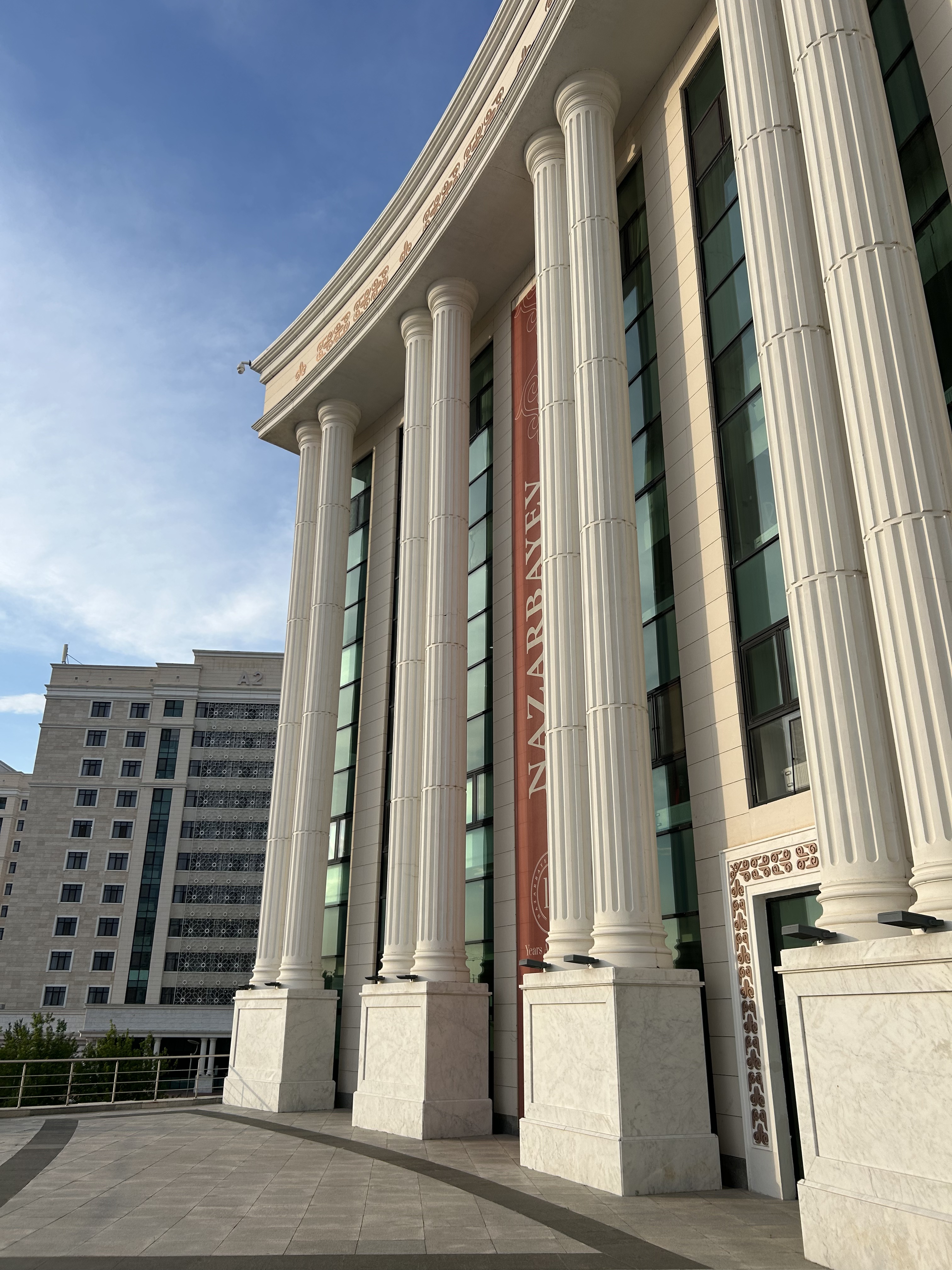
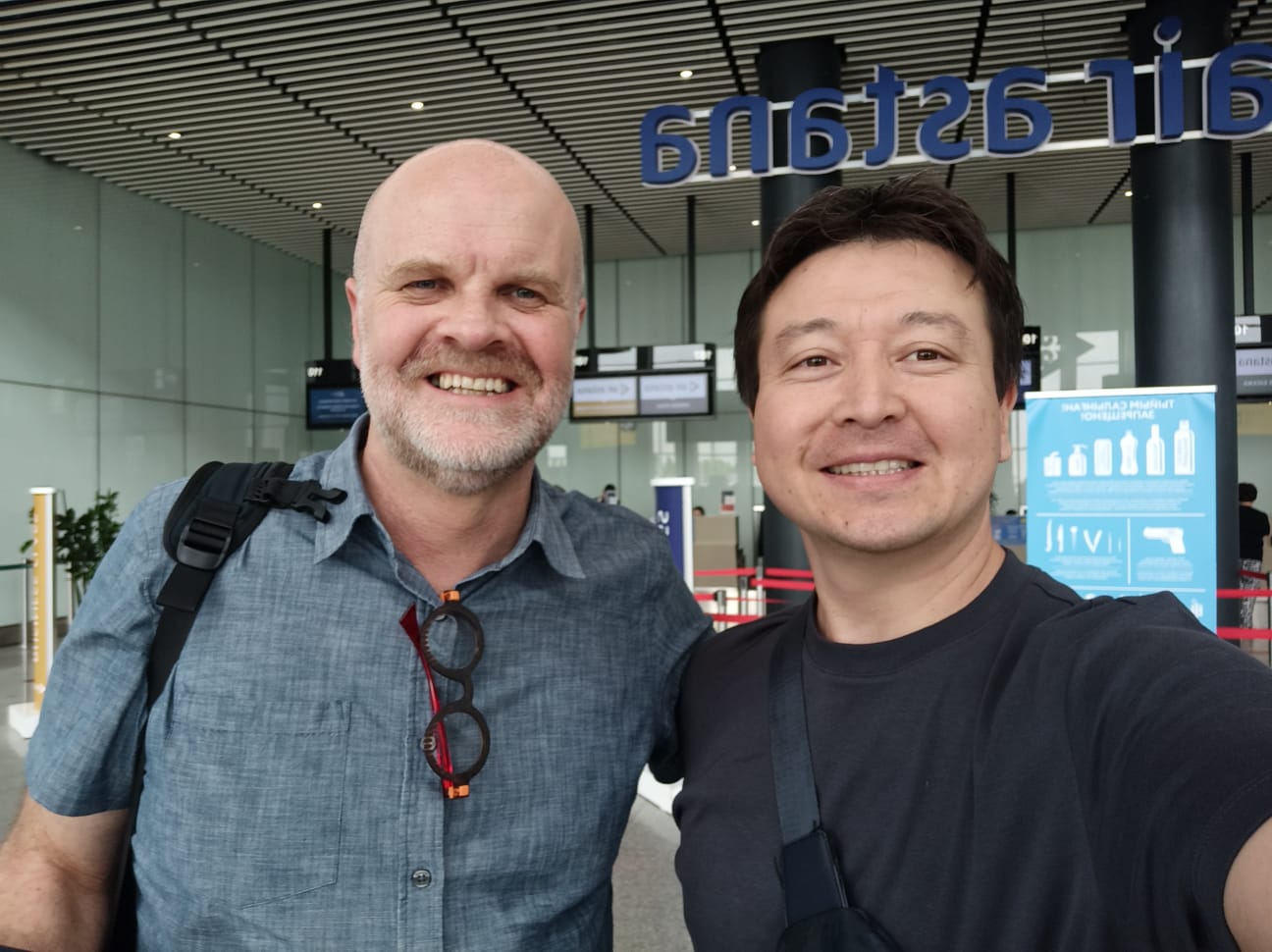
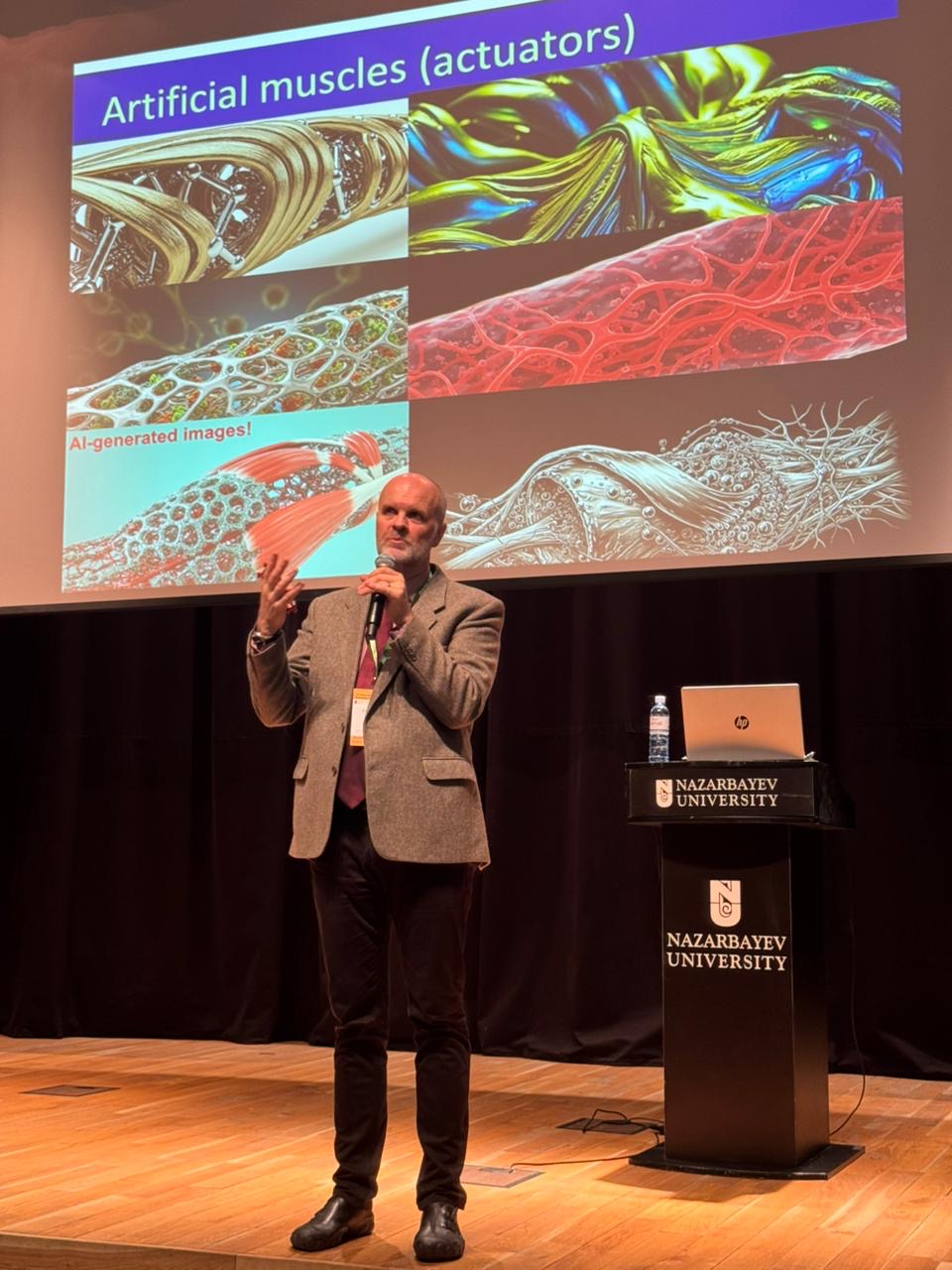
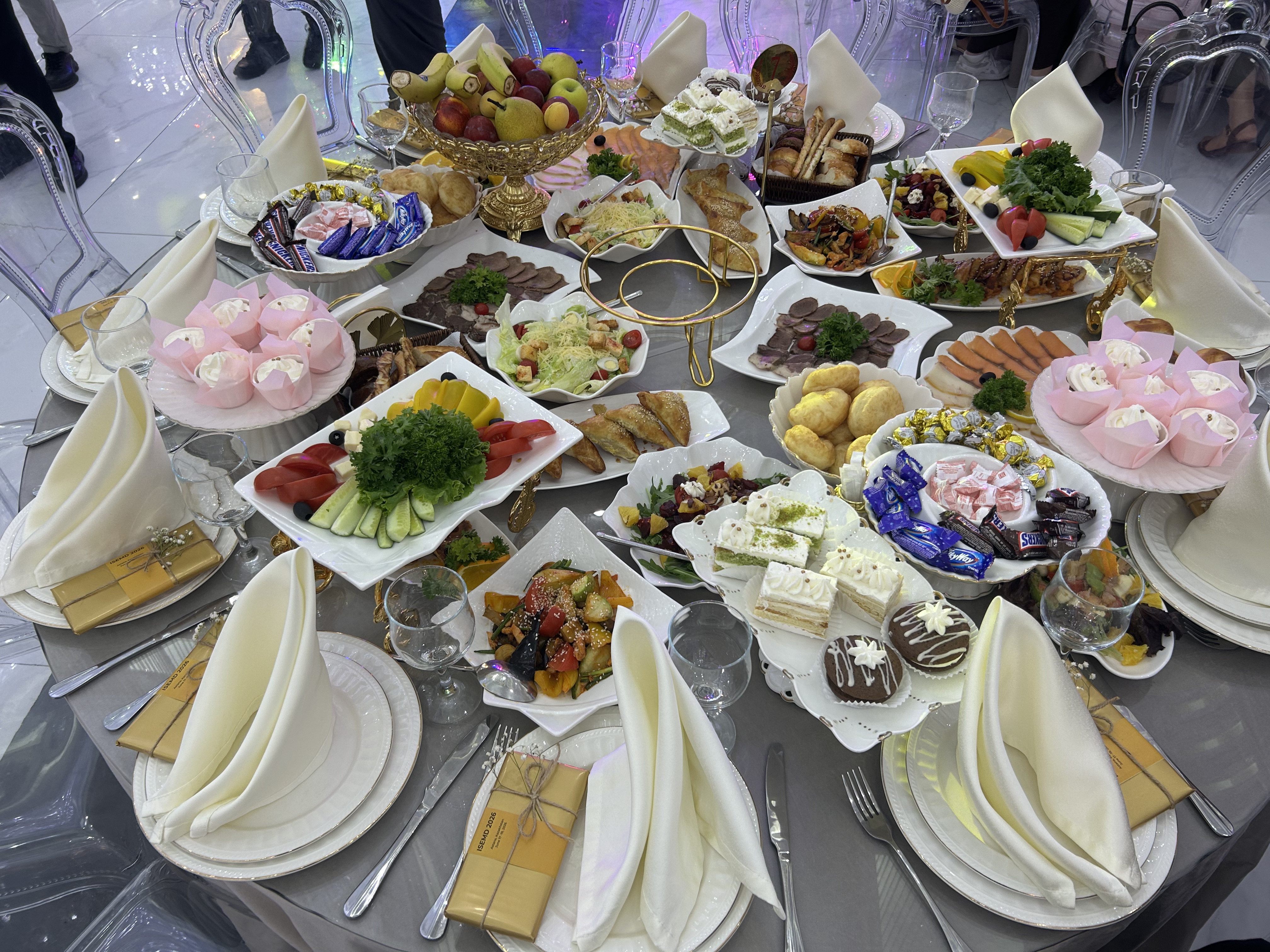
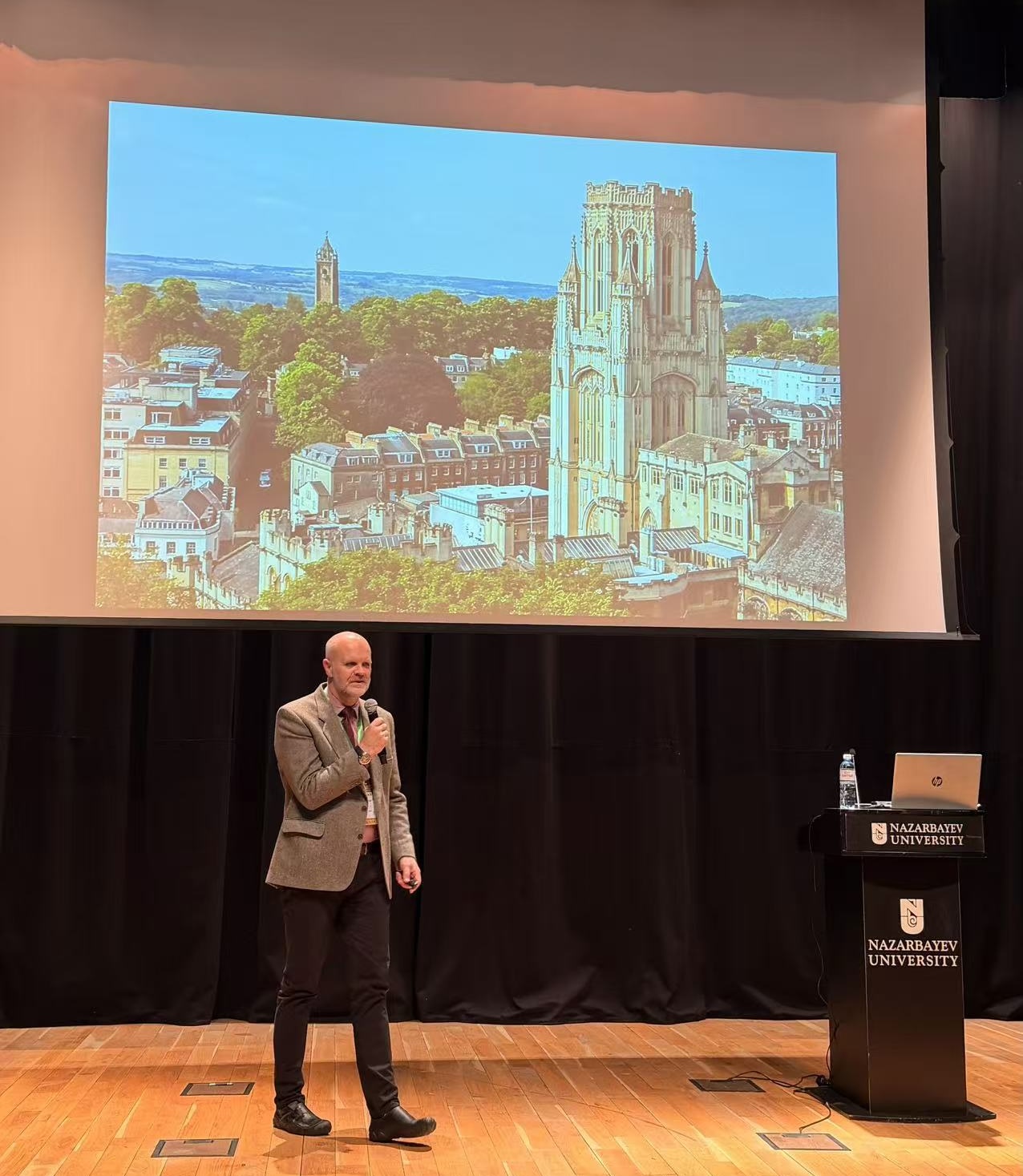
It was a pleasure to visit – not only the honour to be asked to give the opening plenary, but to experience the warmth and hospitality of many colleagues in Astana (including the kind hosting Dr Bakhytzhan Baptayev and Prof. Nurxat Nuraje). In addition, former Masters’ student, Dauren (now doing a PhD in Kazakhstan), travelled from Almaty to join the conference as well!
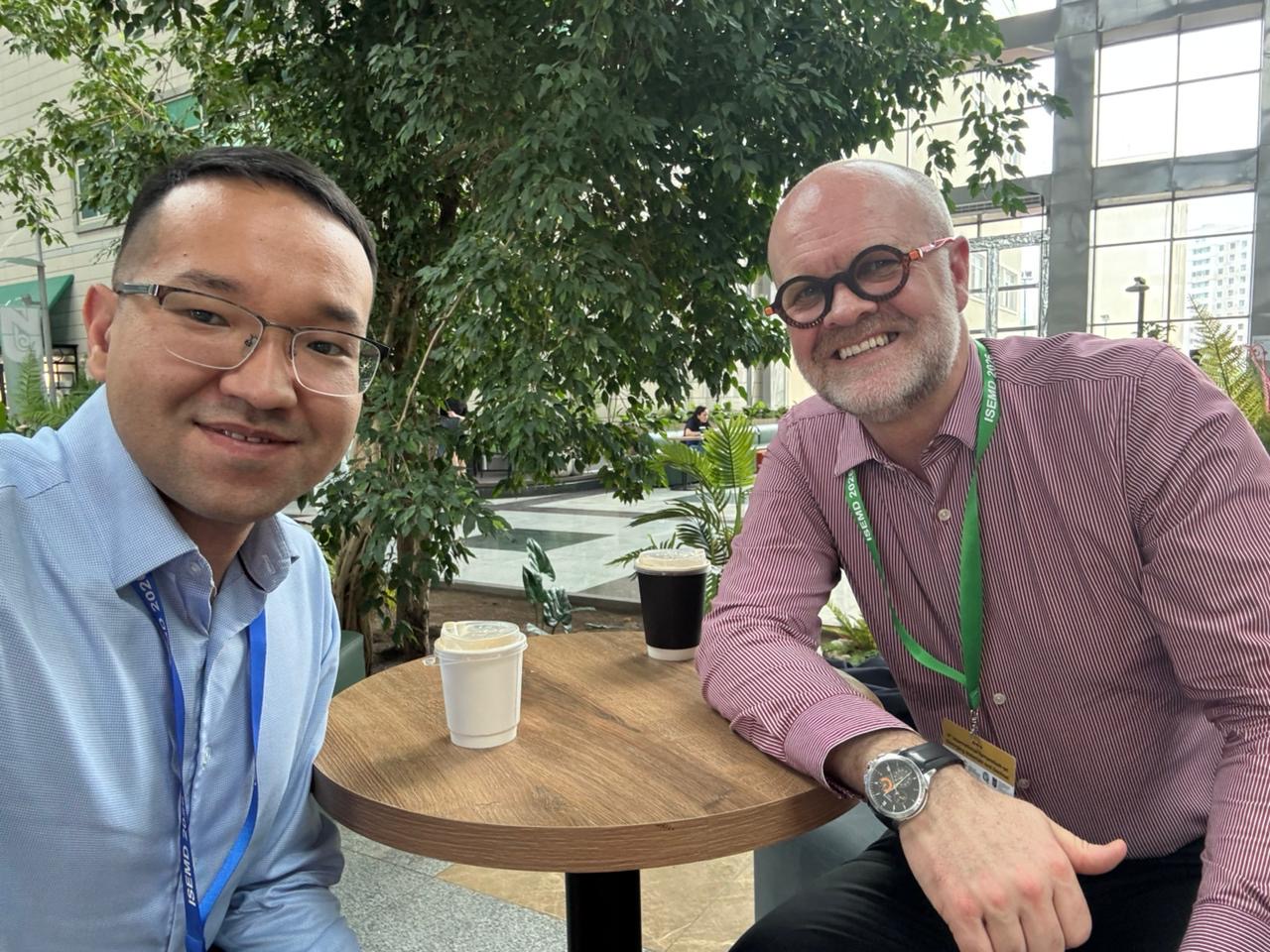
And, to top it off, Charl had the pleasure to meet with a Bristol alumna, Professor Siti Fairus, from UKM Malaysia. Not only did Siti do her PhD at the School of Chemistry (with the late Prof. Ian Manners), but Charl was her internal examiner for her PhD! What a joy!
Those who were in Chengdu headed to Shanghai, very kindly hosted by Donghua University’s “State Key Laboratory for Functional Polymer Fibers” and Shanghai Jiaotong University’s “Department of Chemistry”. It was not only great to spend time with Bristol Alumni (Yaozu Liao and Wei Lyu at DHU, and Hongjing Dou and Huibin Qiu at SJTU), but also share science and interact with many students!
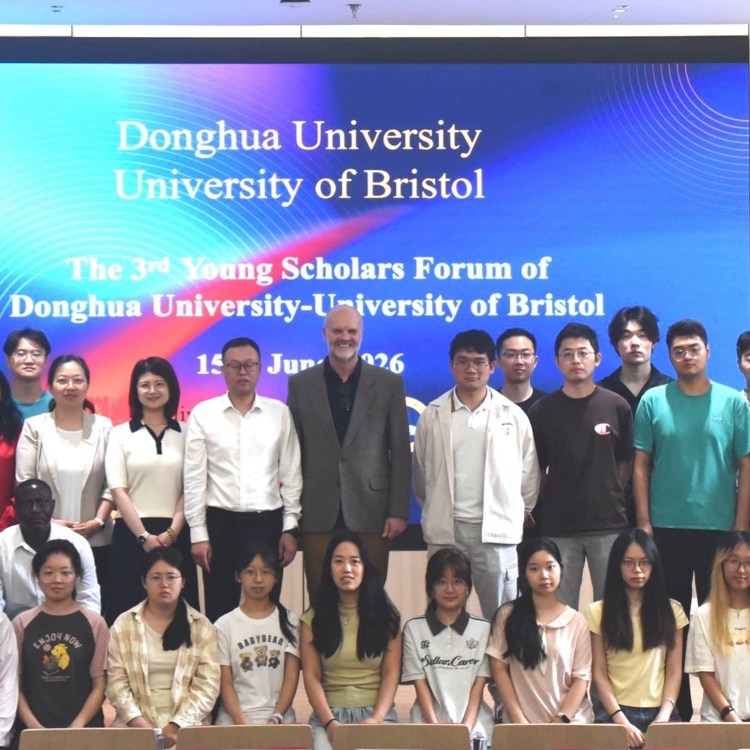
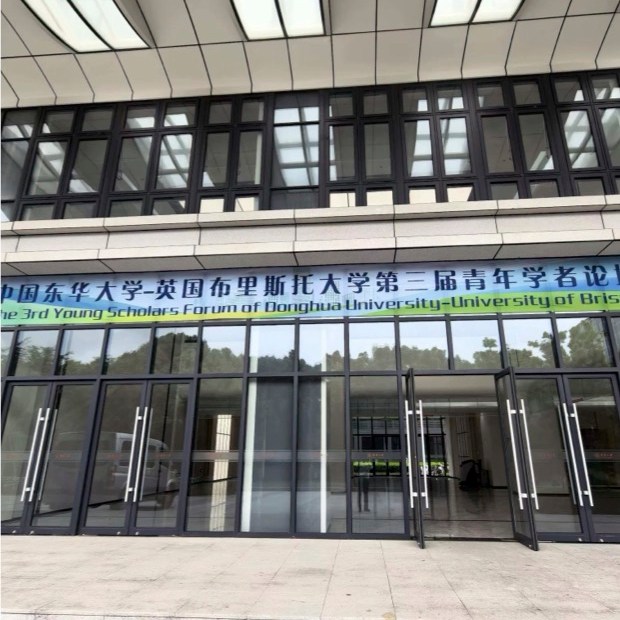
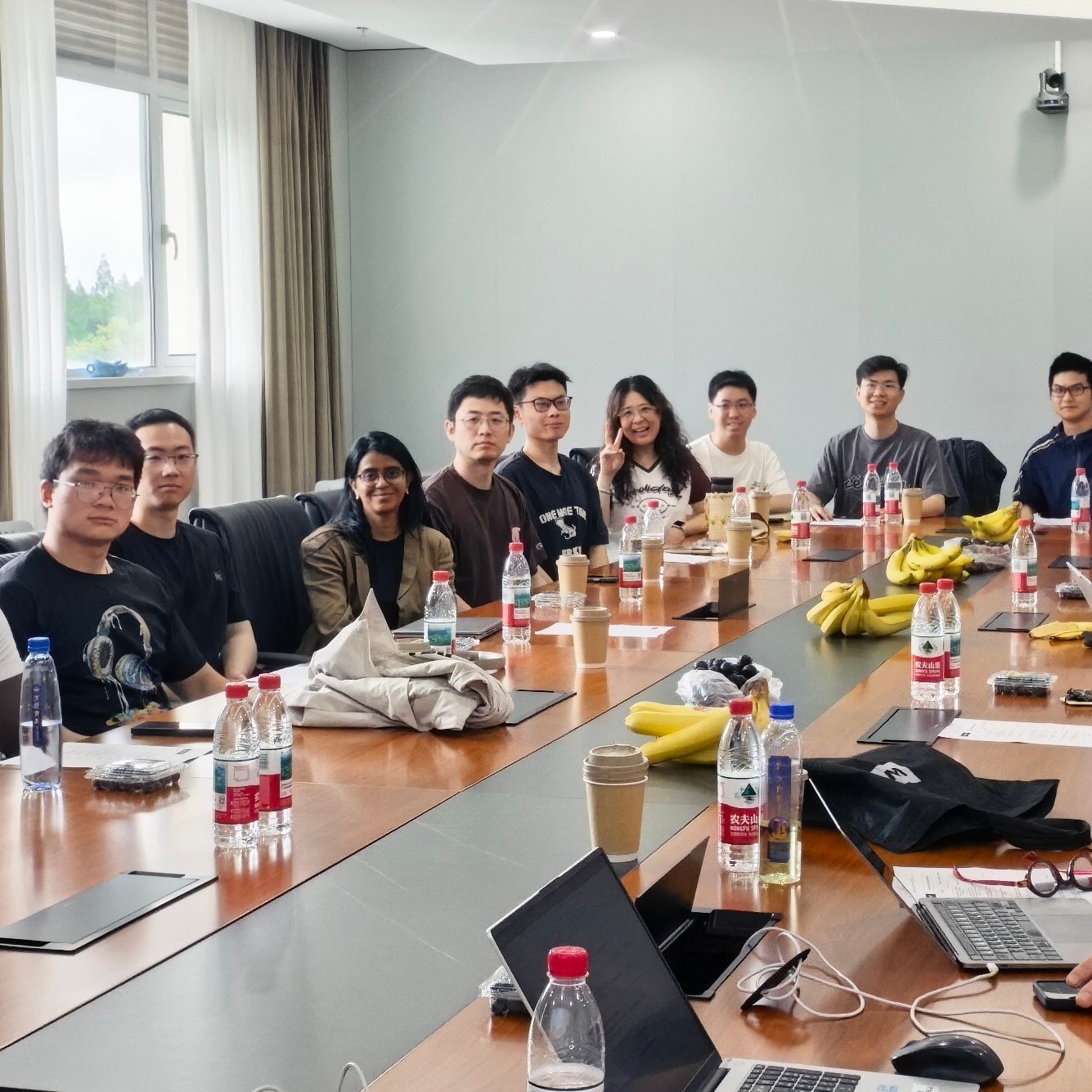
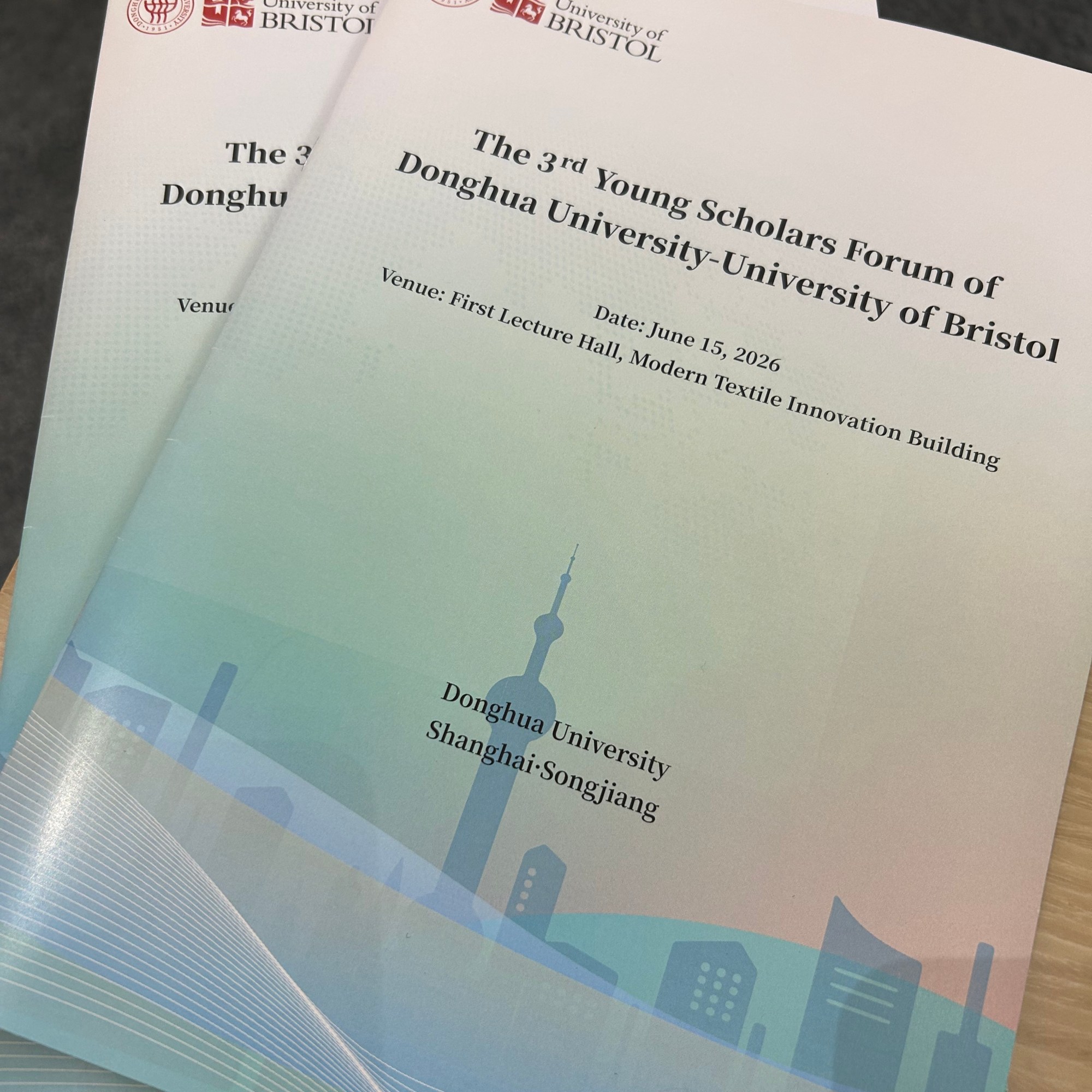
Thanks also to DHU for generous sponsorship of prizes – with a first prize by Jerry, and a second prize to Liang! Well done!
Charl stopped in Hong Kong at the end of last week (on his way to Shanghai) and visited Hong Kong PolyU. He gave a seminar about recent results from the FRG, and also met with various colleagues from the Faculty of Science and their Global Engagement Division!
Thank you to Prof. Benedict Lo for his kind hosting!



We are very pleased to have hosted Feiyang Li, a visiting undergraduate student from the Tsinghua Xuetang International Chemistry Exchange Programme. Feiyang joined the Faul Research Group for a two-month research experience, and is now heading back to Beijing!
During his time here, Feiyang worked alongside PhD student Jerry Mintah on porous polyimide materials for CO2 capture and conversion. His contribution to the project and enthusiasm were greatly appreciated!
As he returns to China, we wish him all the best in his future studies, and hope to see him in Bristol soon again!
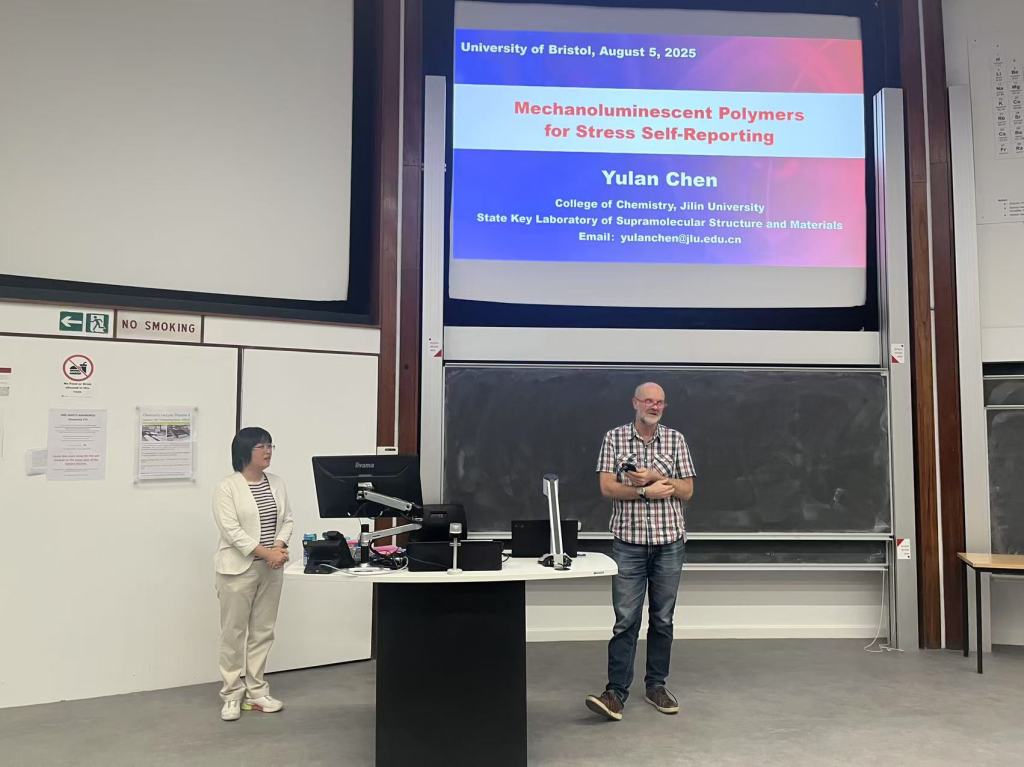
It was a pleasure to host Professor Yulan Chen from the Collage of Chemistry, Jilin University, to give a research seminar as part of the “Functional Molecules and Materials” research theme. Her group works on polymer mechanochemistry and mechano-responsive polymeric materials.
Prof. Yulan Chen is currently visiting Bristol, accompanying the 40 senior UG students from Julin University participating in our Advanced Experimental Chemistry summer school here in Bristol.
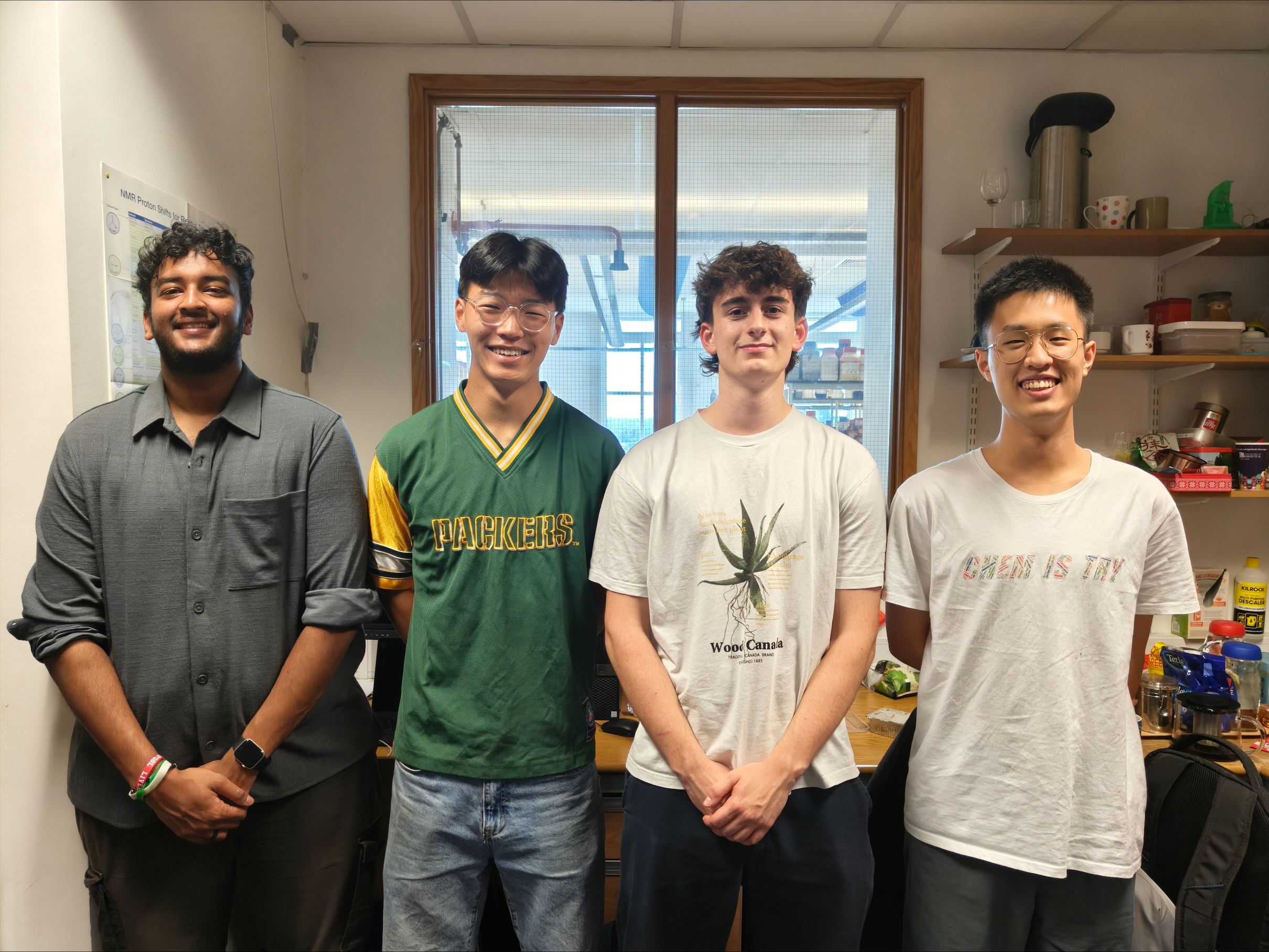
Since June, four new summer interns have joined the FRG to experience the exciting research on functional materials!
From left to right: Shahin Sharafudheen (University of Bristol, MSc, techno-economic data analysis of porous material applications), Alastair Chua (University of Bristol, BSc, perylene-based bio-adhesives), George Taffinder (Loughborough University, BSc, naphthalene-based polyimide porous material), and Feiyang Li (Tsinghua University, BSc, optimization of triazine-based porous material architectures).
Ulia is in Ottawa, Canada, this week at the CSC 2025 conference. She is presenting her work on “Functionalised Porous Materials for CO2 Capture and Conversion”. Great poster, well done!

Ben, Junru and Charl are joining the exciting Cyborg Futures RS discussion meeting in London. Great opportunity to talk about our work related to soft actuators and bio-adhesives, and engage with many other scientists and engineers from a wide range of disciplines.


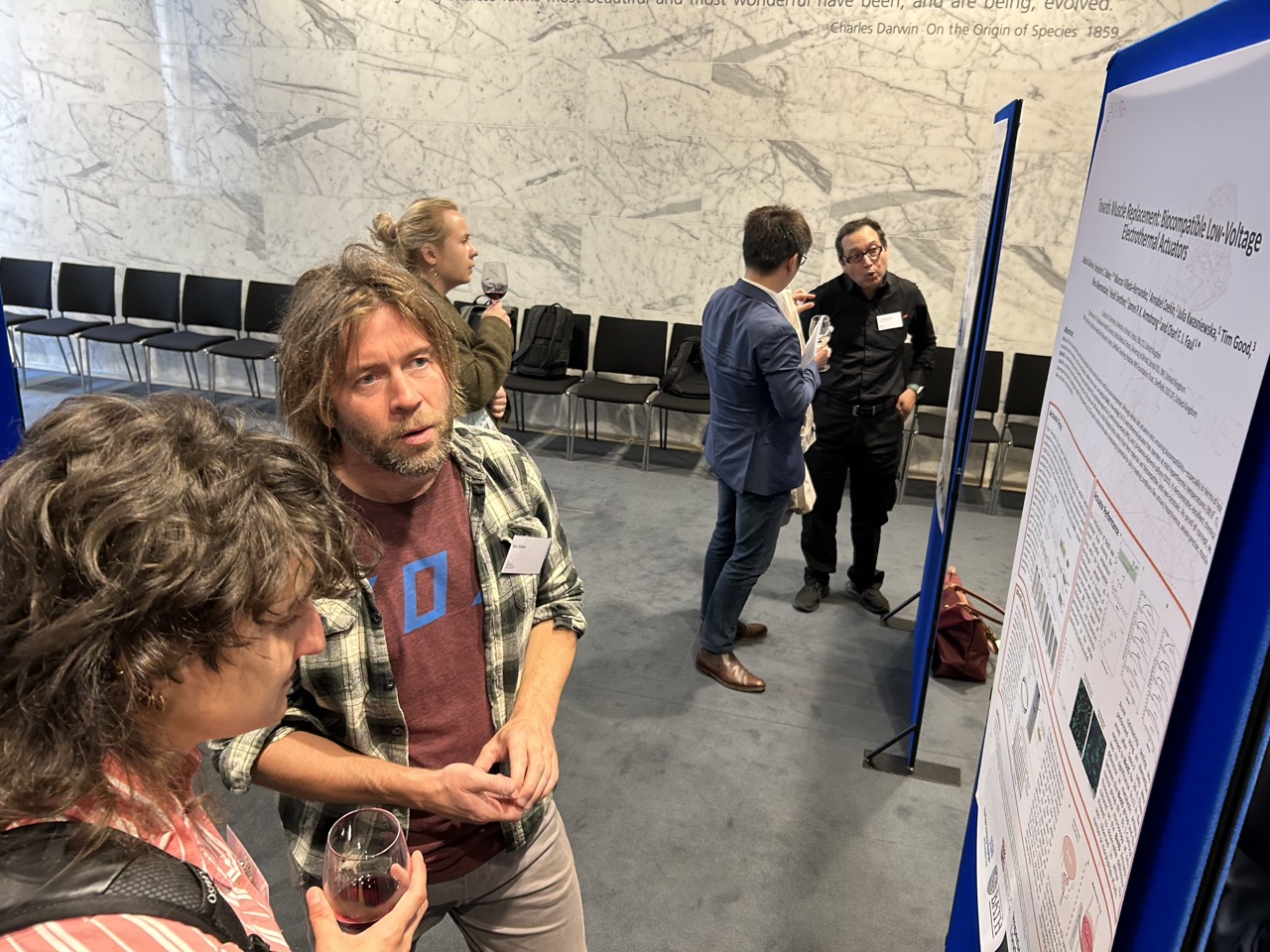


Thanks to Jonathan Rossiter and other colleagues for a great meeting in the heart of London!