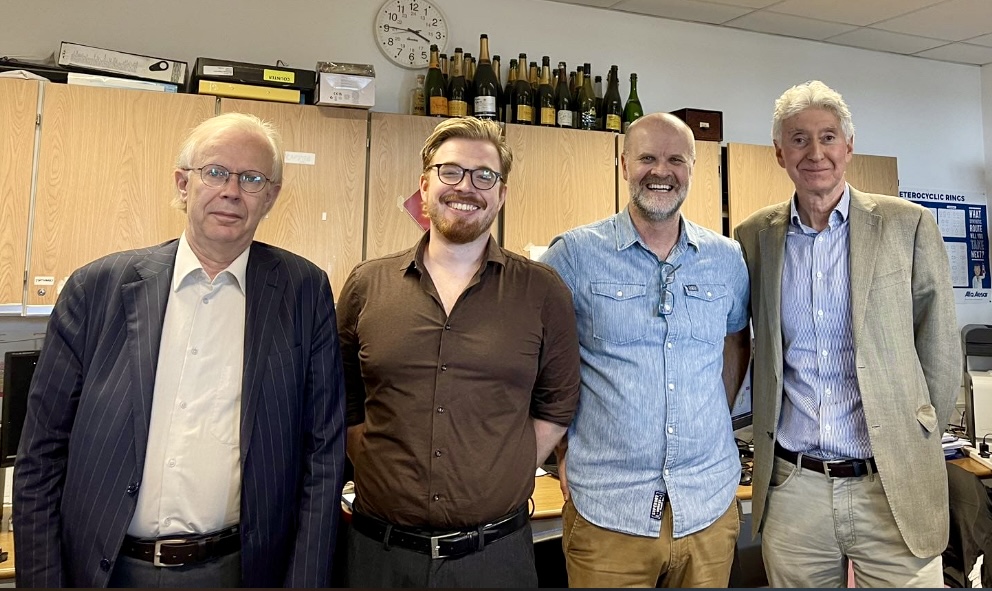
Finally, an opportunity for the group to enjoy some sunshine and ice cream under beautiful blue skies in Bristol! Ben and Sam not in the photo, unfortunately!

Welcome back also to Safa, after a period back home in Oman!
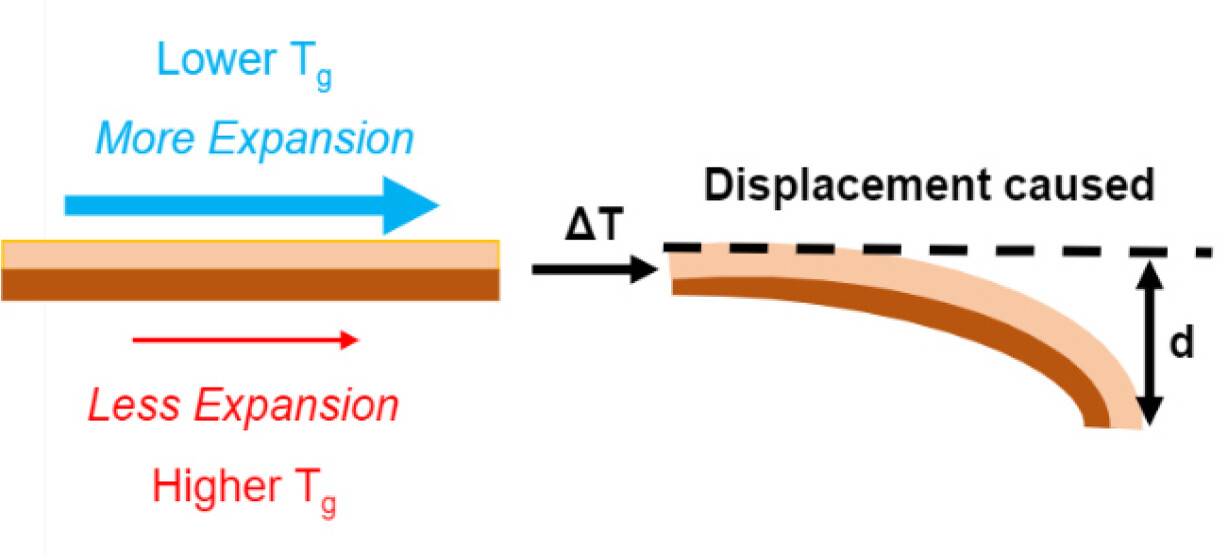
Pleased to announce that Dr. Baker’s article, in collaboration with former MSci student Leo Kershaw and visiting student Ziqui Yang, titled “Towards Implantable Artificial Muscles: Epoxy-Based Bilayer Thermal Actuators with Ambient Activation Temperatures,” is now available in ChemistrySelect.
The development of soft, biocompatible actuators is vital for soft robotics, especially for in vivo applications. This study presents epoxy-based materials for creating thermal actuators with tuneable glass transition temperatures (Tgs). By adjusting polymer compositions, actuators operating at physiological temperatures (36–40 °C) were achieved using both external heating and joule-heated NiChrome-epoxy systems. These actuators maintain safe surface temperatures below 40 °C at low voltages (<2 V). This promising approach could lead to implantable actuators improving the quality of life for the ageing population.

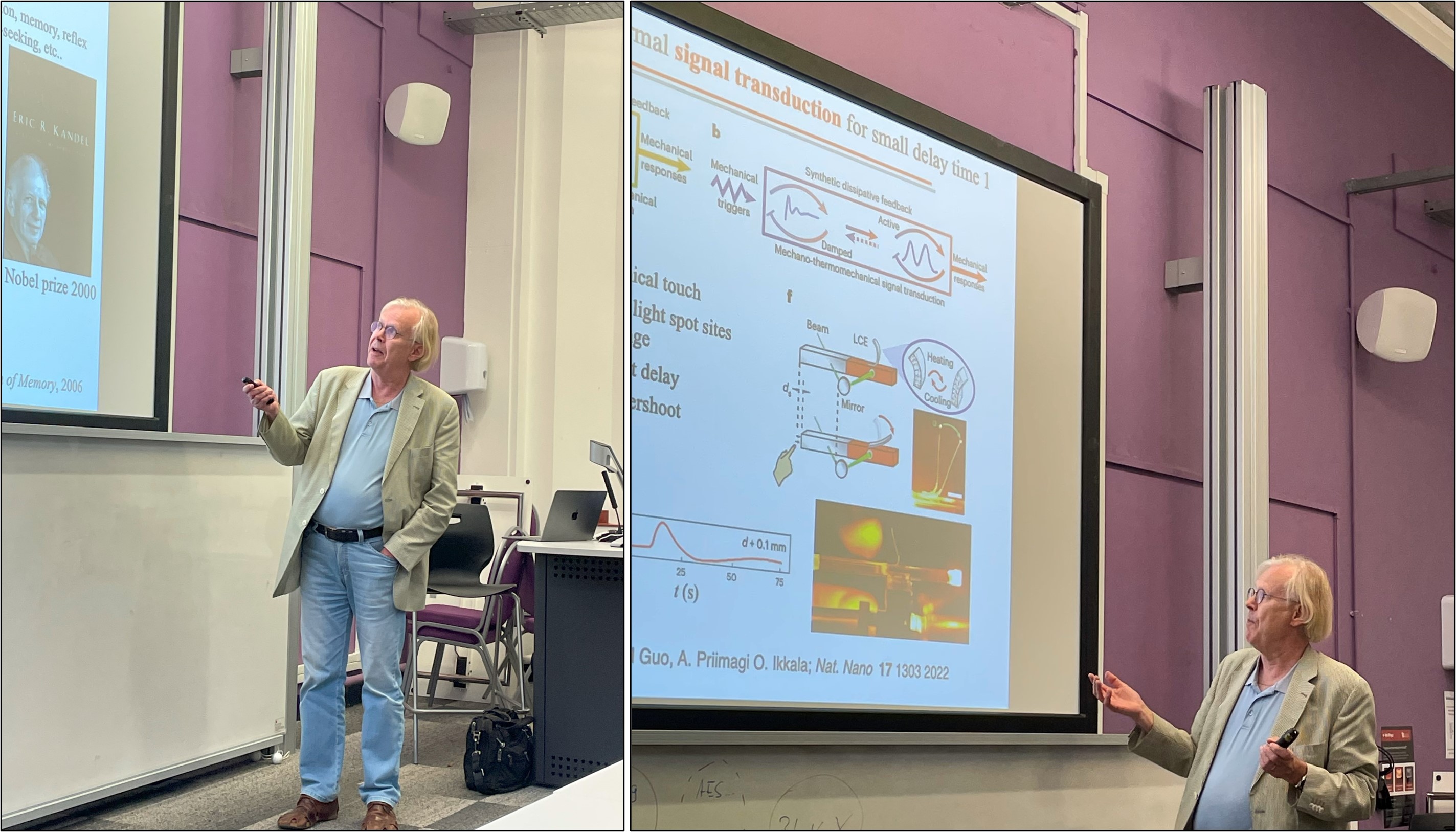
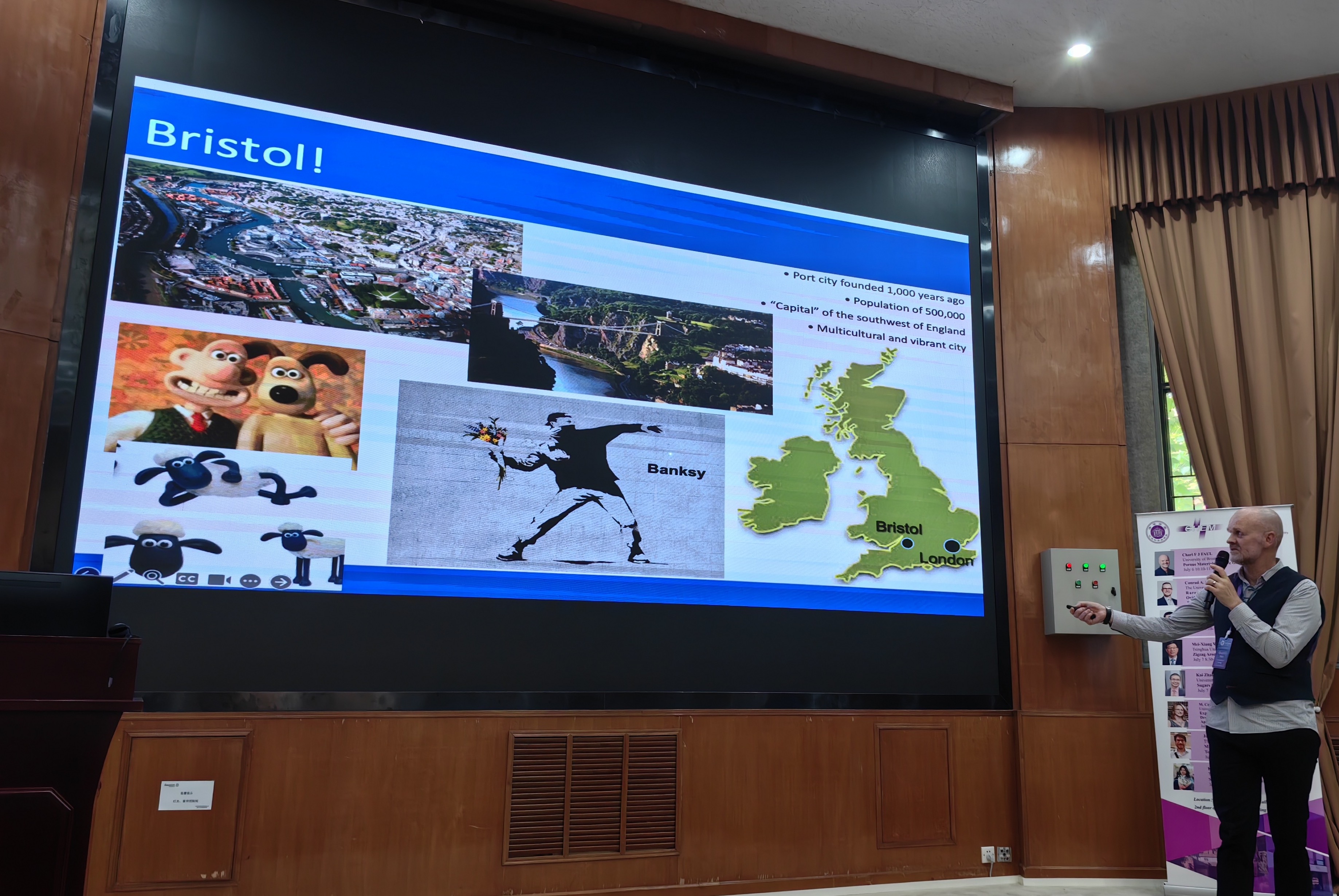
Professor Olli Ikkala is a faculty member in the Department of Applied Physics at Aalto University (previously known as Helsinki University of Technology) in Espoo, near Helsinki. His research focuses on creating functional materials through hierarchical self-assemblies, biomimetics, and natural starting materials. Trained initially in physics, he spent ten years in the chemical industry, primarily working on the development of polymer blends and electrically conducting polymers before returning to academia. The Faul Group hosts him as he visits.
Prof. Ikkala is photographed giving a lecture on life-inspired soft matter dynamics and functionalities below.

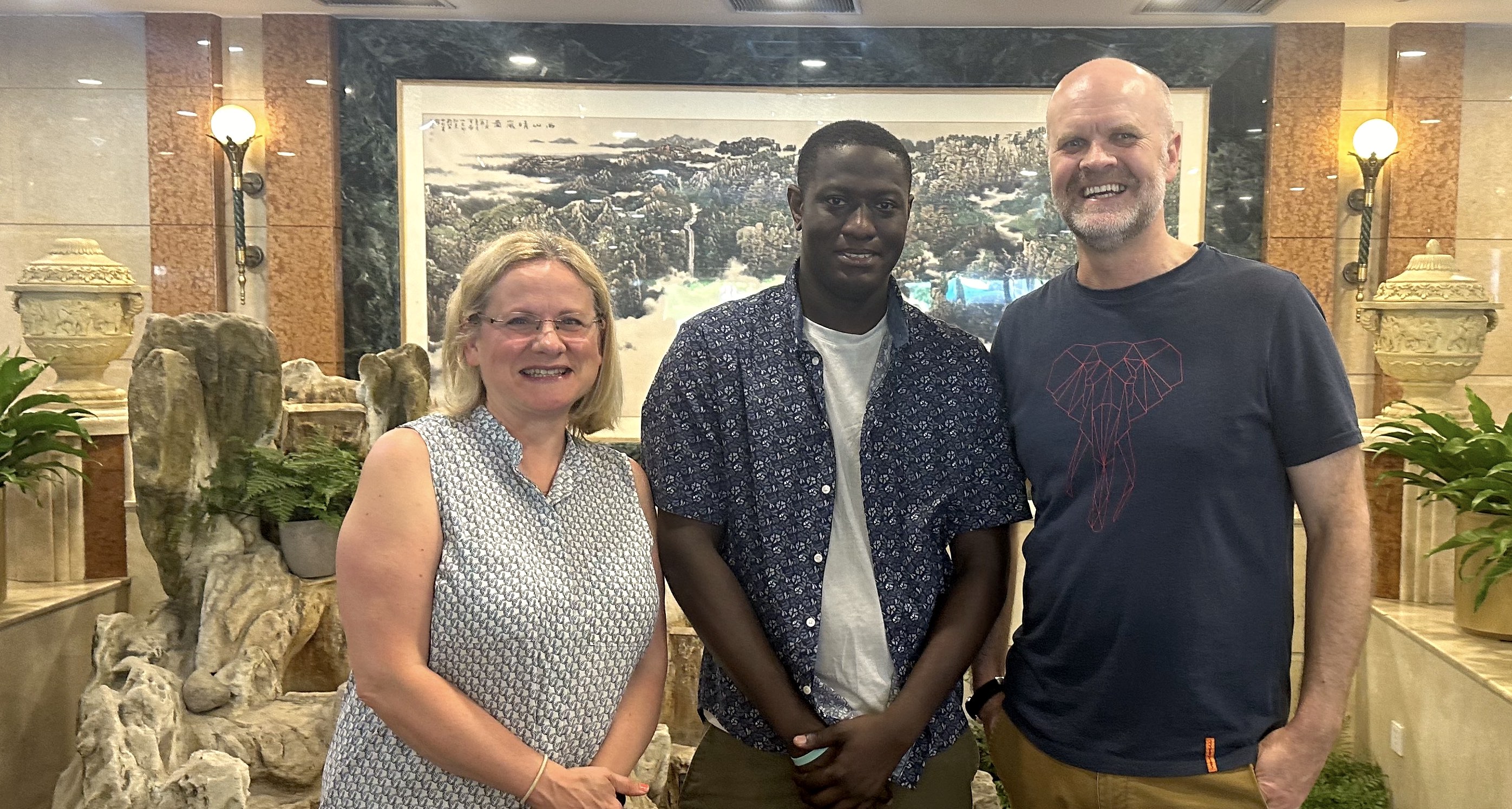
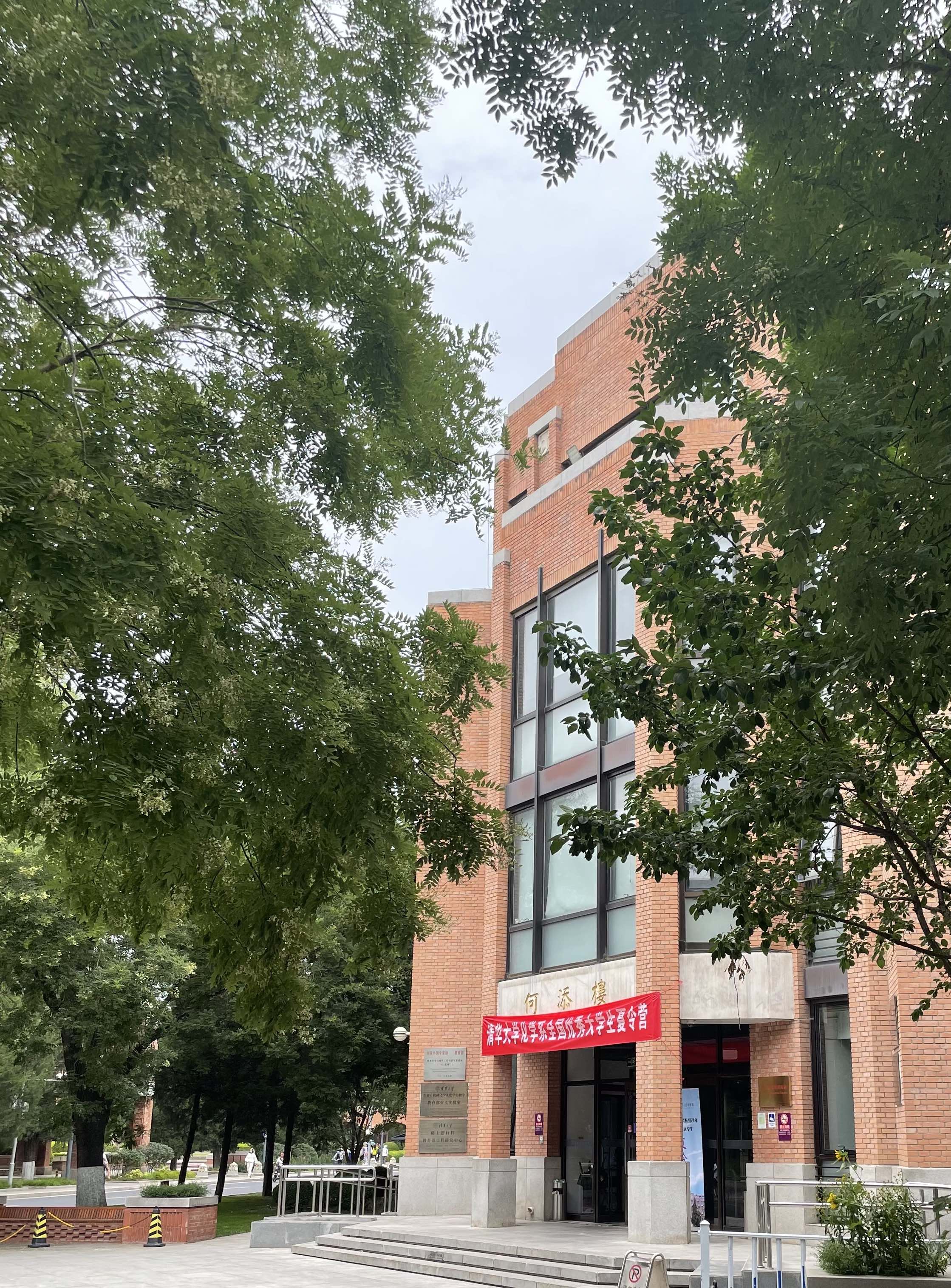
Prof Faul was recently invited to spend some time at Tsinghua University Xuetang International Chemistry Summer School. Charl spent 6 years here as adjunct professor (2013–2019). Group member Jerry Mintah joins for on his first trip to China! M. Carmen Galan from the University of Bristol also joins for interactions and scientific discussions with students from China and across the world.


The Timms Lecture and Symposium 2024, hosted at the University of Bristol’s School of Chemistry was a resounding success, featuring distinguished speakers and ground-breaking research.
The event included a poster session where researchers at different levels showcased their latest findings. The day concluded with a drinks reception, providing an excellent opportunity for networking and celebrating scientific achievements. Poster prizes were awarded with our very own Xue Fang achieving a prize for best poster.
Pleased to share our cover feature in ACS Applied Polymer Materials, June 14, 2024, Volume 6.
In this work, we describe a novel cationic porous organic polymer (POP) made of interconnected, protonated polyaryl amines. This POP material rapidly removes carcinogenic Cr2O72- with high capacity, excellent selectivity, and reusability, even at very low concentrations.
Exciting presentations by three brilliant Faul Group researchers at the UKPorMat 2024 conference in Liverpool!
Shaohua Li: Optimised porous polyimides (pPIs) for metal-free electrocatalytic CO2 reduction
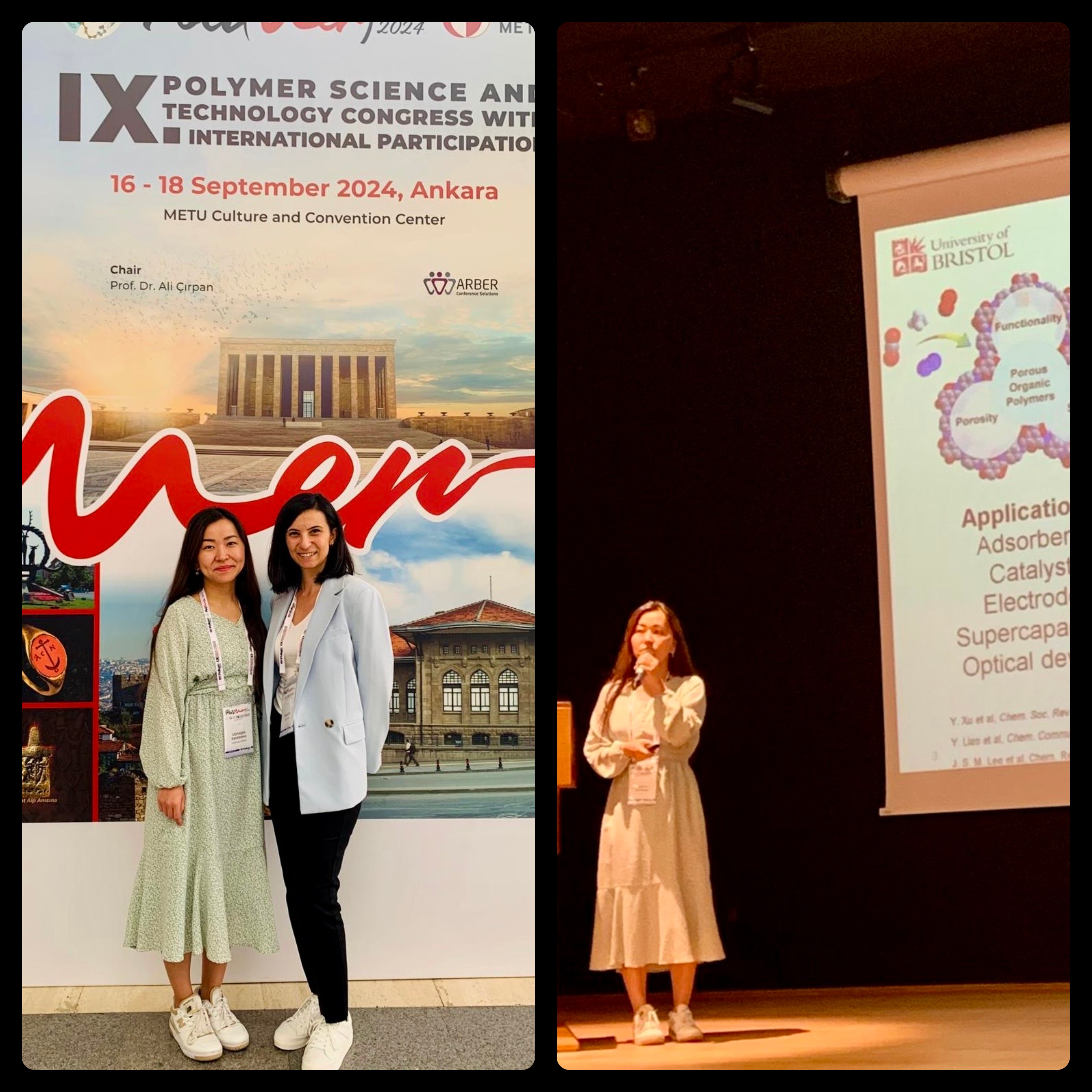
Ulzhalgas Karatayeva: Conjugated Microporous Polymers as Novel Electrorheological Fluids
Xue Fang: Inverse solvent design frameworks for the preparation of porous organic polymers
Ulzhalgas (left) and Shaohua (right) pictured below.
Efficiently treating wastewater contaminated with carcinogenic hexavalent chromium (Cr(VI)) has been a persistent challenge in both academic and industrial research. While ion exchange is recognised for its simplicity and effectiveness, its integration with advanced nanomaterials offers enhanced potential. The cationic porous organic polymer (POP) PTPA–PIP is a novel development poised to aid in industrial wastewater treatment.
PTPA–PIP is synthesised by converting the aromatic polyamine PTPA into its protonated form. This modification significantly increases the polymer’s hydrophilicity, enabling it to disperse uniformly in aqueous environments, which is essential for efficient water treatment applications. PTPA–PIP demonstrates the following:
High exchange capacity: PTPA–PIP exhibits a maximum adsorption capacity of 230 mg Cr2O72– per gram of polymer.
Rapid adsorption kinetics: It achieves an initial adsorption rate of 83 mg g–1 min–1, indicating ultrafast removal of contaminants.
Exceptional Selectivity: The polymer retains approximately 90% of its adsorption capacity even in the presence of a 40-fold concentration of competing anions.
Robust reusability: PTPA–PIP can be reused for at least five cycles without significant loss of performance.
This publication documents a substantial advancement in the field of wastewater treatment with porous polymers, offering a highly effective solution for addressing the challenges associated with Cr(VI) contamination.
The article can be found at the following link.

Congratulations to Maxi on having his first first-authored paper “High-Performance Dopamine-Based Supramolecular Bio-Adhesives” accepted in Macromolecular Rapid Communications!
Sutures are invasive and prone to infection, but a new class of supramolecular-based adhesives offers a better solution. In this study, dopamine-based polymers were synthesized, resulting in highly effective, non-cytotoxic adhesives with mechanical strength superior to commercial bio-adhesives like BioGlue and Tisseel. These adhesives can re-adhere, perform well in aqueous environments, and be safely removed with ethanol, demonstrating significant potential for surgical use.